
Expert Advice: Reducing Pet Anxiety During Boarding Stays


Understanding Pet Anxiety
Leaving a beloved pet behind during a trip can be stressful for both the owner and the animal. Many pets experience anxiety during boarding stays, which can manifest in various ways such as excessive barking, chewing, or even aggression. Understanding the root causes of this anxiety is the first step in addressing it.
Pets are creatures of habit and thrive on routine. When they're suddenly placed in a new environment, it can lead to feelings of insecurity and fear. Recognizing these signs early can help in mitigating anxiety before it escalates.

Preparing Your Pet for Boarding
Preparation is key to reducing pet anxiety during boarding. Start by familiarizing your pet with short stays away from home, gradually increasing the duration. This can help them adjust to the idea of being away from their familiar surroundings.
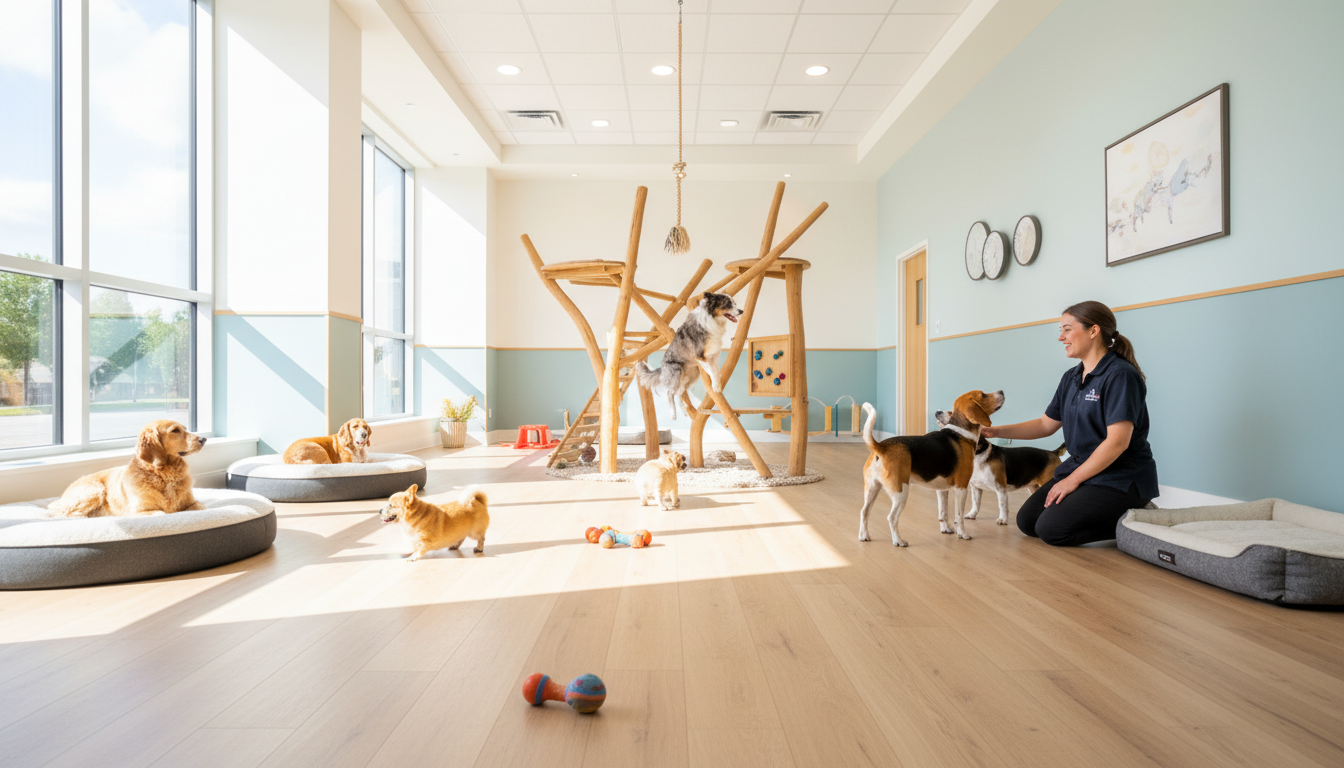
Make sure to visit the boarding facility with your pet before the actual stay. Let them explore the new environment and meet the staff. This can create a sense of familiarity and make the actual stay less daunting.
Packing Comfort Items
When preparing for the boarding stay, pack a few of your pet’s favorite items. Whether it’s a blanket, a toy, or even a piece of clothing with your scent, these items can provide comfort and reassurance. Familiar smells and objects can help ease anxiety and make the boarding experience more tolerable.
Communicating with the Boarding Facility
Open communication with the boarding facility is crucial. Make sure they are aware of your pet’s specific needs and any signs of anxiety to watch for. This information can help the staff provide personalized care and attention.
Discuss any routines or special requirements your pet may have. Whether it’s a particular feeding schedule or medication, ensuring these details are communicated can help maintain a sense of normalcy for your pet.

Using Calming Techniques
Consider utilizing calming techniques such as pheromone diffusers or natural supplements that can help reduce anxiety. These products can be used before and during the boarding stay to help keep your pet calm and relaxed.
Additionally, some facilities offer activities like playtime or socialization with other pets. Engaging your pet in these activities can distract them from their anxiety and provide a positive outlet for their energy.
Post-Boarding Care
Once your pet is back home, they might still show signs of anxiety or stress. Be patient and provide a comforting environment. Re-establish their routine as soon as possible to help them settle back into their home life.
Offer plenty of affection and reassurance during this time. Monitoring their behavior and health can ensure any post-boarding anxiety is addressed promptly.

Seeking Professional Help
If your pet’s anxiety persists or worsens, it may be beneficial to seek professional help. A veterinarian or pet behaviorist can provide additional strategies and solutions tailored to your pet’s specific needs.
Addressing pet anxiety requires patience, understanding, and preparation. With the right approach, you can make boarding stays a more positive experience for your furry companion.